Category Archives: 3D printing

AI is coming to design and engineering

There is one thing in life that you can count on: AI is going to be bigger and happen sooner than almost any of us expect.

Autonomous cars are perhaps the most visible implementations of AI, but it’s creeping in everywhere.  From personal assistants (Sirri, Cortana, Alexa etc), to administration jobs (IBM’s Watson), and now – design and engineering.  Have a look at this article about a team who have applied machine learning to automotive design:

http://www.drive.com.au/motor-news/how-artificial-intelligence-could-design-your-next-car-20170228-gumxy6.html

From the article:

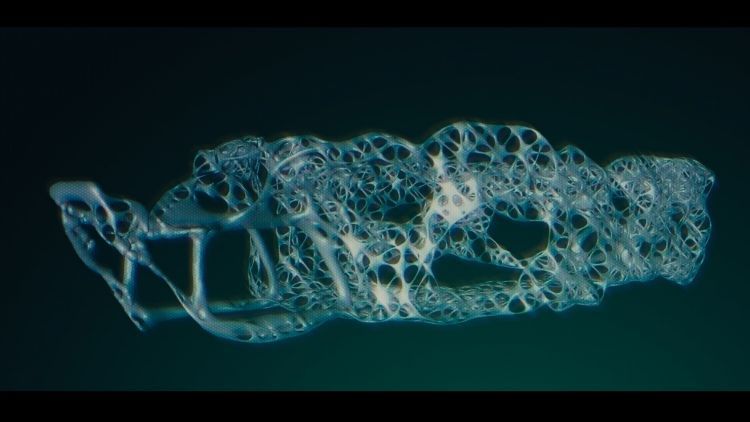
The first Hack Rod prototype created using generative design resulted in a chassis that is 35 per cent lighter than the team’s engineers first managed.

Just let that sink in: on its first try the AI software managed to reduce the weight of a human designed chassis by 35%.

That is unbelievable.  Gains of a few percentage points are what you expect in professional design and manufacturing.  Not 35%.  And this isn’t a design that you can look at and say “Well, ok, now that I have seen it, I could do it too”.  No, this is design that is entirely beyond human ability to ever conceive.

As a deisgner that’s scary – and amazing.

For now we are still in charge of this process.  Controlling and guiding every aspect of it.  However, I can easily imagine a time in the future when an entirely automated, AI guided system can design, build, and operate a fleet of autonomous vehicles, continually monitoring the performance data of the fleet to optimise the physical performance, the satisfaction level of customers to optimise the aesthetics and comfort, and tweaking each new batch of 3D printed cars to improve over the last batch.  No human guidance necessary.

And this isn’t some nebulous, far future, pie-in-the-sky idea.  The pieces are coming together to make this possible very, very quickly.  The McLaren Technology Group already know how to monitor and analyse vehicle performance to the Nth degree.  Market research and analysis of consumer behaviour is what every single company on earth does to some degree or other.  The only missing bit is for AI to tie all of these function together.

The consequences of such a system – economic, social, and political are literally unimaginable at this time.

But the writing is on the wall.  It’s coming.  It’s not going to be stopped.
3D printer has arrived!

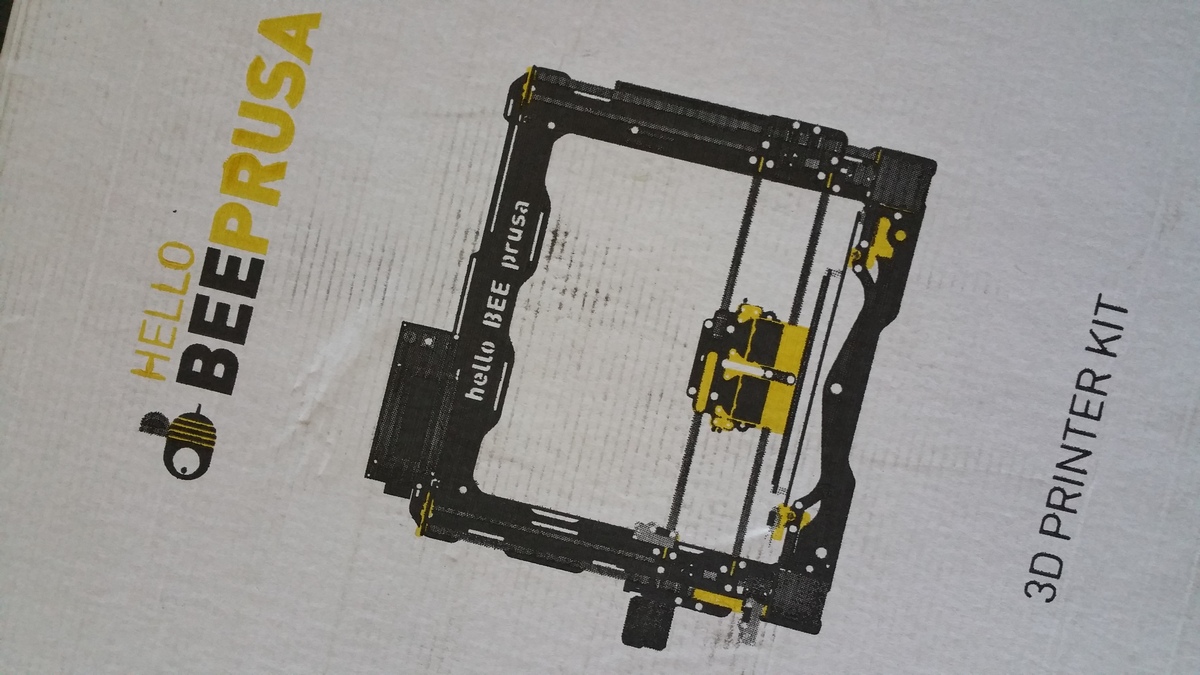
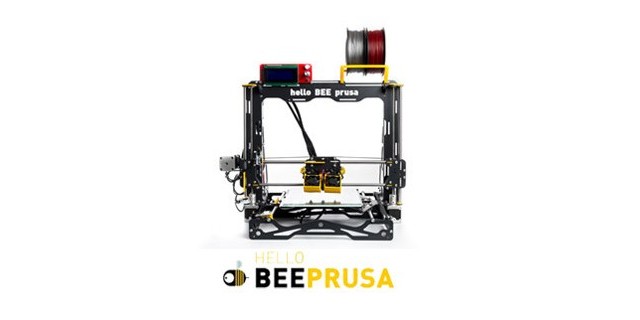
After nearly a month long wait my Bee Prusa 3D printer has arrived.

I don’t blame The 3D Shop – who I purchased it from, as their stock was held up by customs.  Just the usual trials of international freight!  They did however keep me appraised of the situation, which was good.

I bought two rolls of filament to go with the printer (since it has two heads) – PLA and PVA.  PLA is mostly good for prototyping, or projects where structural strength of the plastic isn’t important.  PVA filament (yes, it’s the same as the glue!) is great for printing scaffolding.  If your design required support as it is laid down, then PVA is very convenient, once the print process is complete, then the object can be placed in warm water, and the PVA scaffolding simply dissolves away.  It’s very clever and one of the principal reasons that I opted for a twin head printer.

So, the next step is I need to complete my second generation photographic stage (complete with inbuilt LED lighting, mount for camera, power supply for 240V AC, 12V and 5V DC and more.  It’s going to be great and it will let me make a good clear film of the assembly process for the machine.

Motorcycle helmet HUD – 3

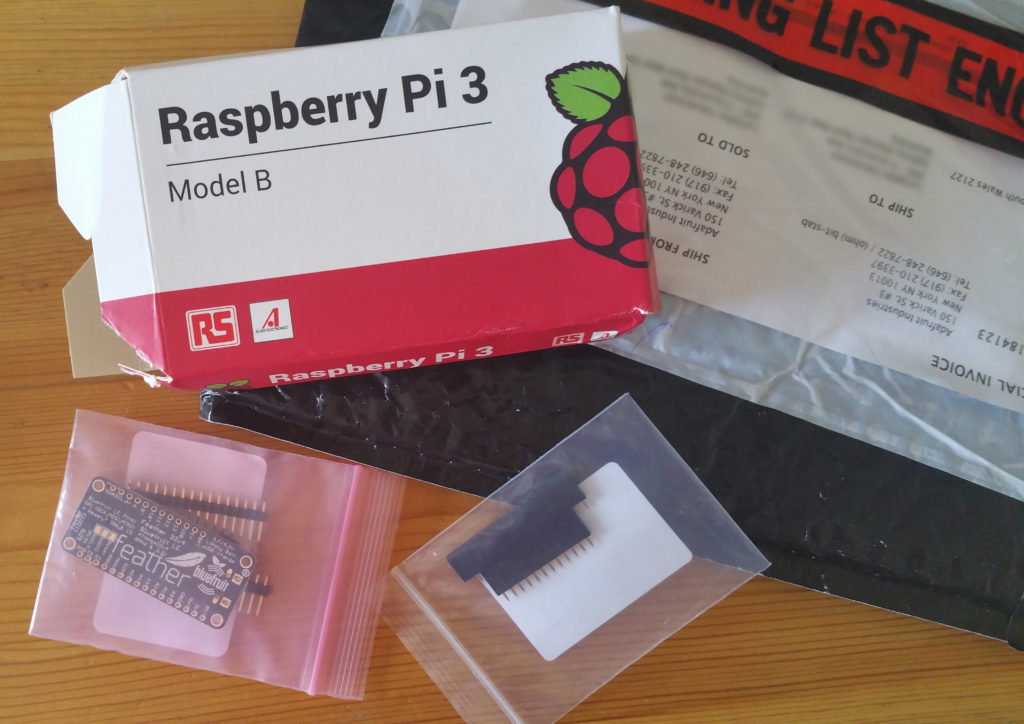
2016-08-23 08.26.00I may still be waiting for my 3D printer to arrive, but in the mean time, the components for my HUD were waiting in the mail box today!
It included a Rasberry Pi model 3 B, an Adafruit Feather Bluefruit (bluetooth enabled Feather development board) and some headers for the Bluefruit.

So now I’m ready to push forward with this project and get the electronics finalised.  Once the 3D printer arrives, then I can start working on housings for the electronics.  Lots to plan and lots to do!


3D printer has been ordered!

Update: the supplier expects to have stock in on Monday 15th.  So I should have a printer by the end of the week!


I came to the realisation that many of the projects that I am planning would benefit greatly from being able to 3D print parts (like cases for electronics).

To that end I have just ordered a Bee Prusa 3D printer from The 3D Printer in Melbourne (https://www.the3dprinter.com.au/) at a cost of AUD$958.  Note: the price of the same unit direct from the manufacturer is about AUD$200 less, however, the shipping cost from Europe was $250 approximately, so it made more sense to buy locally.

Why this machine?  A few reasons:

Cost – the Bee Prusa is very cheap for its capabilities (more on that later).  It’s equivalent to $3000 in functionality.

Self assemble – to sell so cheap, Bee leave out the assembly, which is fine by me.  I love to tinker and build and it will make for some interesting content to post here.

Functionality – the Bee Prusa has dual extruder heads, maximum head temperature of 300 degrees celcius, a heated platform, support for a very wide range of filaments, a large printing volume for it’s class (approx. 200mm cubed) and best of all a minimum print thickness for 20 microns (!).  Unless you are prepared to spend a LOT more money, you aren’t going to do better – at least on specs.

It also seems to have a good reputation for reliability and usability.  Time will tell on that front I guess, but I am optimistic.

Downsides are, no direct computer connection.  You have to put the file to be printed on an SD card and transfer the card to the machine (not a big problem really).  The bigger issue for the Bee Prusa is that it isn’t enclosed.

There are two problems with this.  The first is that hot plastic off gasses nasty smells which may be harmful – and should be ventilated!  The other problem is that without an enclosure the work piece can cool too quickly.  This can be a problem with some of the more exotic printing filaments as rapid cooling can lead to warping and inaccuracy (and even print failure I expect).

Some quick googling reveals that there is no inherent problem with fabricating a simple enclosure around the entire unit.  I will likely make something in clear acrylic and ideally add a small extractor fan to it to vent nasty gasses.

There’s a lot more to be said about the Bee Prusa, but I will save it for another post.